Photo by Kaya Kotzen–kkwisdomwoman@gmail.com
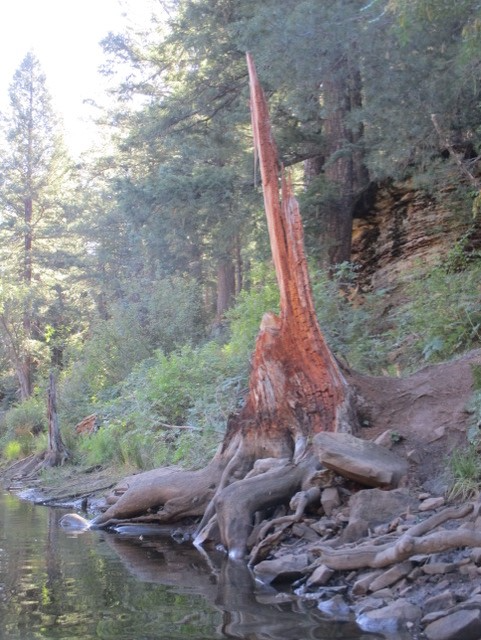
Tree
some of us
speak more
after
we
are perished
©Byung A. Fallgren

Photo by Kaya Kotzen–kkwisdomwoman@gmail.com
Tree
some of us
speak more
after
we
are perished
©Byung A. Fallgren
The Unintentional Enemy
She, the creator of me;
love, the one thing
in her heart
on normal days
of her mind.
Madness, touched by
another she; the stranger
sowed the seeds of the blue
in my skin and bone.
Knowing her true;
that abominable stranger;
had i known her,
long before her departure,
i wouldn’t have to stand
at her tomb,
in the rain, the rain;
the rain in the dream.
©Byung A. Fallgren
My poem Lone Redberry is published in The Weekly Avocet #442.
to read it and other poems click the link below. This will hide
after a week.
The Weekly Avocet – #442[1123]

Photo by Terra Delora–terradelora@yahoo.com
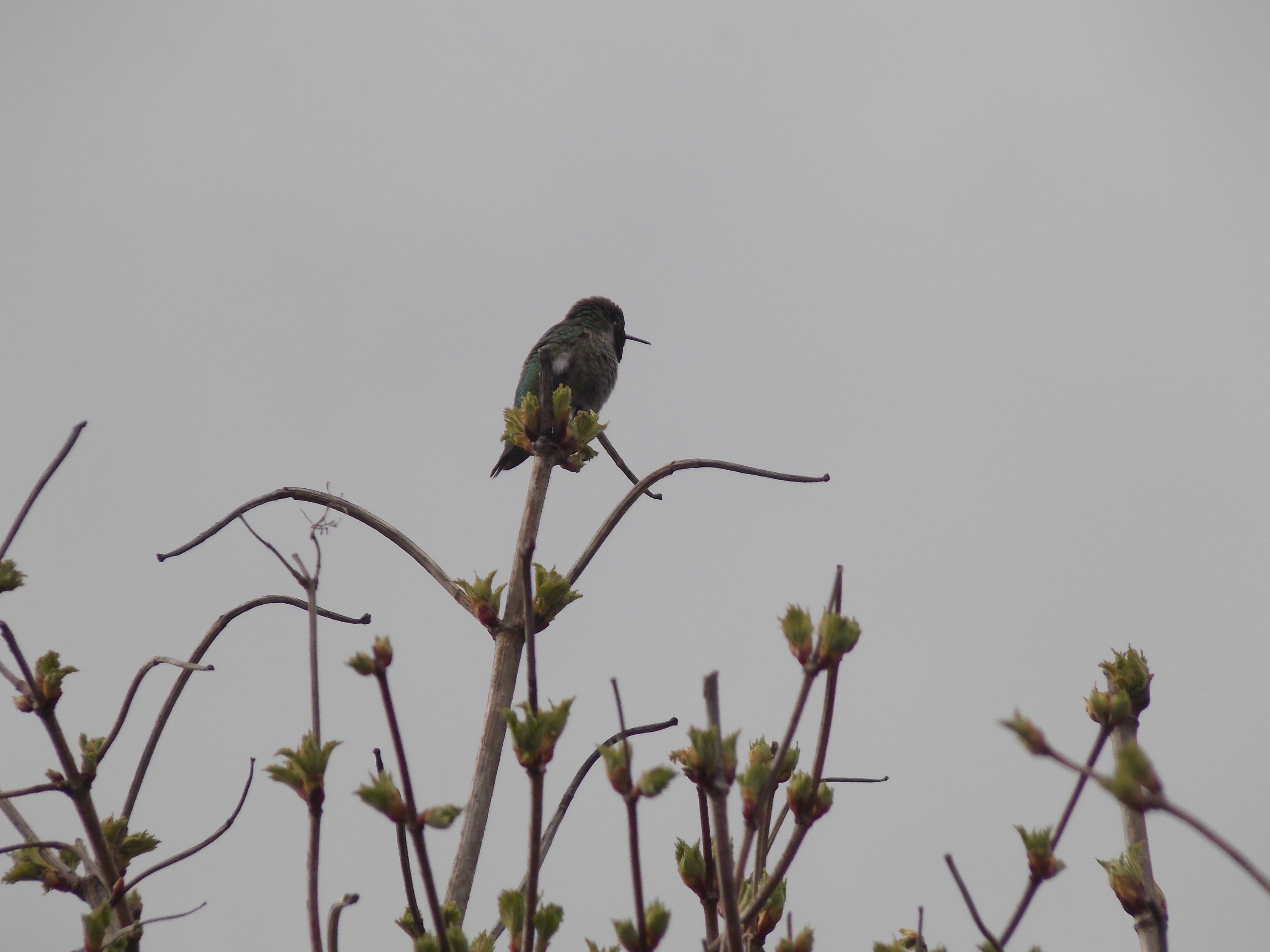
little bird on the tree
thinks it is the budding leaf
poet also desire so
©Byung A. Fallgren
After the Winter
Claude Mckay–1889–1948
Someday, when trees have shed their leaves
And against the morning white
The shivering birds beneath eves
Have sheltered for the night,
We’ll turn our faces southward, love,
Toward the summer isle
Where bamboos spire to shafted grove
And wide mouthed orchids smile.
And we’ll seek the quiet hill
Where towers the cotton tree,
And leaps the laughing crystal rill,
And works the droning bee.
And we’ll build the cottage there
Beside an open glade,
With black-ribbed blue-bells blowing near,
And ferns that never fade.
Claude Mckay, who was born in Jamaica in 1889,
wrote about social and political concerns from
his perspective as a black man in the United States,
as well as a variety of subjects ranging from
his Jamaican homeland to romantic love.
My poem Morning Fog is published in Weekly Avocet, #441.
To read it and other poems, click the link below.
The Weekly Avocet – #441[1118]

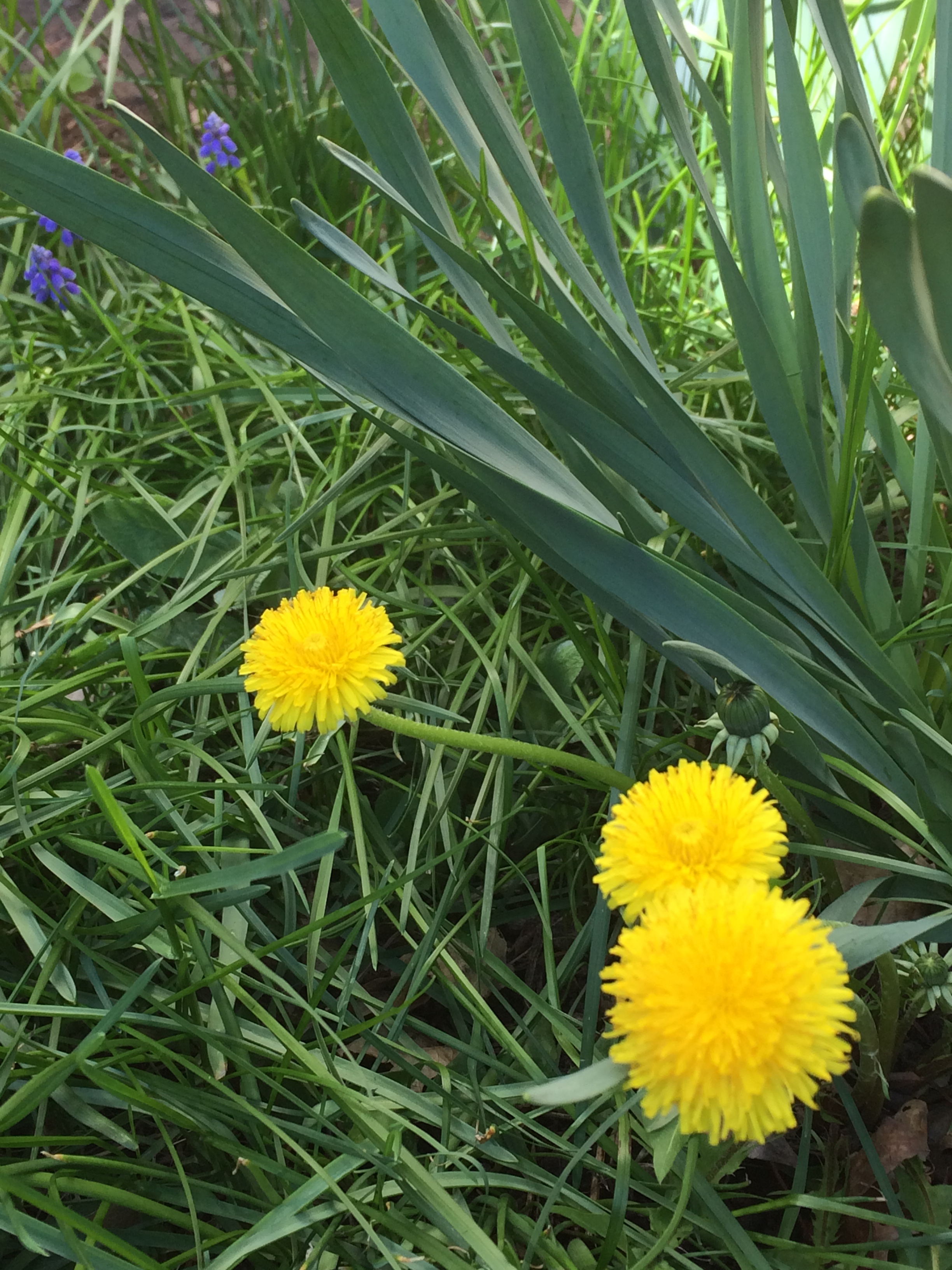
Dandelion & Iris
like good friends
forget
each others fault
just enjoy
being a good company
©Byung A. Fallgren

Spring
arrives with a cartful of optimism,
to begin her work on the canvas;
fields of brown and blue.
New born calf moos; his first vocal practice;
old cowboy sings to his apprentice young,
to praise him for the calf he helped born;
mountain brook cheers the lad, proud,
what a good job he has done;
hawks dance round the sky.
Wrens return to the old nest;
move to the tree home, high and safe.
She takes a step back, to assess her work,
smiles; plans for the coming summer,
thinks that can wait;
for now, she’d enjoy what she has done;
dazzling hues; pink and green.
©Byung A. Fallgren
From Japanese Hokku
by Lewis Grandison Alexander
VIII
O moon of to-night
Let me rest my head on you
And hear my life sing.
X
Look at the white moon
The sphinx does not question more.
Turn away your eyes.
XI
The thought is no thought
Poem buried in my heart
Song that is no song…
XVII
You are life’s fountain
Spring from eternity
Flow not recklessly.
XIX
No works speak louder
Than the tragic look of eyes
Close yours out of love.
Above poems are chosen from the original works of “From Japanese Hokku”
by Lewis G. Alexander. He was born in 1900 in Washington D.C., an editor,
actor, and play write. His poems appeared in the magazines, The Crisis,
Opportunity, and Fire!! and the anthelogis The Negro (Albert and Charles
Bon, 1925), Caroling Dusk (Harper and Brothers, 1927), and Ebony and
Topaz, 1927. He died in 1945.
Roundness
is not selfish
not self-centered,
not intrusive,
nor manipulative,
is an endeavor to connect
the broken words,
to get the two ends bloom.

©Byung A. Fallgren