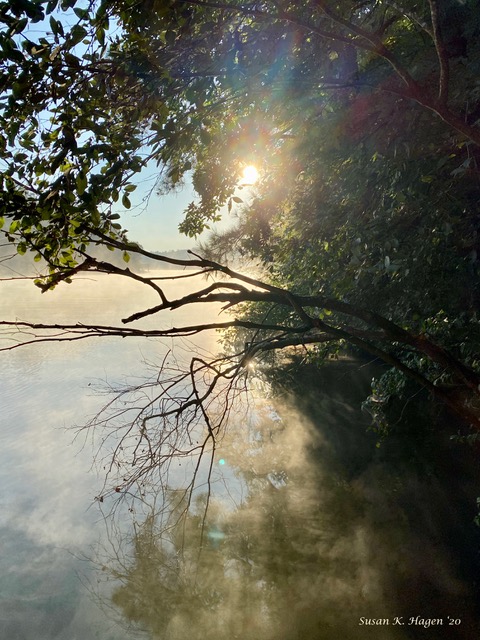
Morning sun and the Lake

they
whisper to each other
every morning
of their tears
all night long

©Byung A. Fallgren

This was published in The Weekly Avocet #465, 10-31-2021.
Morning sun and the Lake they whisper to each other every morning of their tears all night long ©Byung A. Fallgren This was published in The Weekly Avocet #465, 10-31-2021.
The Delusional Old man

He's been eyeing on the family compound hillside,
prying on the nightly feud. He grows greed to own
the place. Only if he can coax the landowner to abandon it.
Fool's dream.

He sprayed the fire-seeds over the compound
to scare the landowner, flee the homestead,
burning the house and all, leaving the children and
elders shiver in the cold.

The villagers rescue the landowner with the food and
warm clothes and build a shelter on the lot,
rebuke the old man for what he has done.
I only tried to stop the family feud, says the old man.

What should the villagers do with the old man?
Take him to a mental hospital, says the boy.
You are my smart Ukraine boy. Grandma hugs him tight.
But, the boy continues, you didn't tell me why
we are here in the train subway in this cold night.
And why do they bomb outside?
I just told you, son.

©Byung A. Fallgren
The Weekly Avocet–#482 is here. (This last for a week.)
My work “Wyoming Wind” appears in this issue.
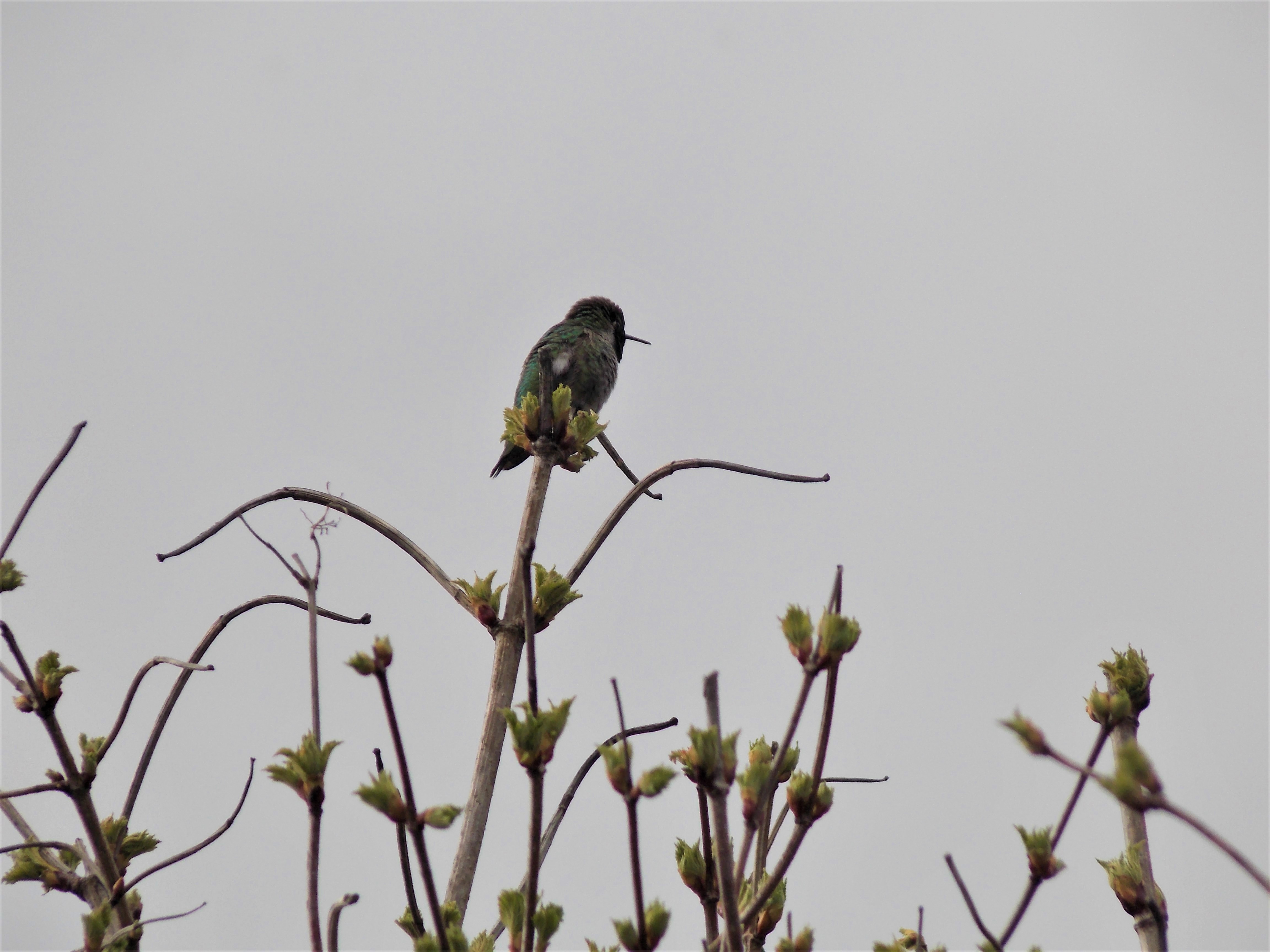
little bird and the budding leaves
listen to each other
urgent message from Nature

the whistling windows
in the wee hour
lone buck in the moonlight

war invasion
never a humanitarian purpose
crying children in hunger and cold

©Byung A. Fallgren
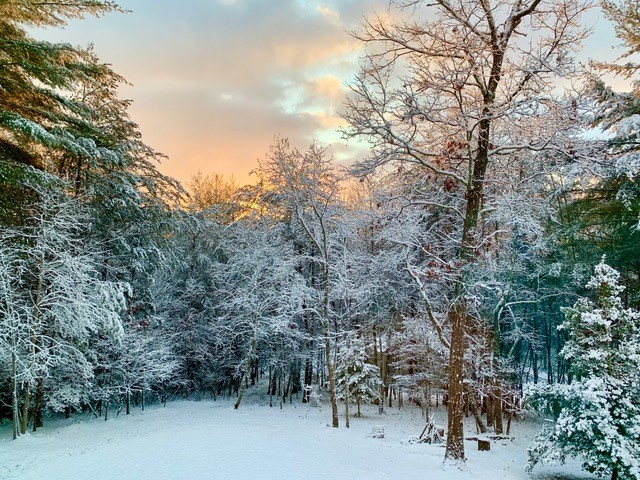
                     pastel sky writes a letter
                     to the snow draped trees below
                     poem of winter silence

                     winter game in Beijing
                     the teen's dream shattered on ice
                     only she could revive it next season

                     as her son's wound closing
                     the winter road trip also lessens
                     some memory-worn road

                         ©Byung A. Fallgren

In the Trust

Her love
butterfly wings
in summer day;
the fire in the snow.

Her voice
sun dust glow in the night;
splinters of lake.

Her tears for his wound;
dying little creature;
the soft touch of light
opens the doubt
of the garden gate.

©Byung A. Fallgren
The Weekly Avocet #480 is here.
This last only for a week.

mama duck to see her chicks
filled with joy and worry
like human, like duck
©Byung A. Fallgren
Changing is not Vanishing
by Carlos Montezuma
Who says Indian race is vanishing?
The Indian will not vanish.
The feathers, paint and moccasin will
vanish, but the Indians–never!
Just as long as there is a drop of human
blood in America, the Indian will not
Vanish.
His spirit is everywhere; the American
Indian will not vanish.
He has changed externally, but he has not
Vanished.
Wherever you see an Indian upholding
the standard of his race, there you see
the Indian man–he has not vanished.
The man part of the Indian is here, there
and everywhere.
The Indian race vanishing? No, never!
The race will live on and
prosper forever.
(This poem appeared in Wassaja 1, No 3, June 1916.)
Carlos Montezuma, known as Wassaja, was a Yavapai–
Apache writer and activist. A fading amber of the
society of American Indians, he was the first native
American male to receive a medical degree. He
founded the magazine Wassaja, a platform through
which he published his own writings and political
views. He died on January 31, 1923.
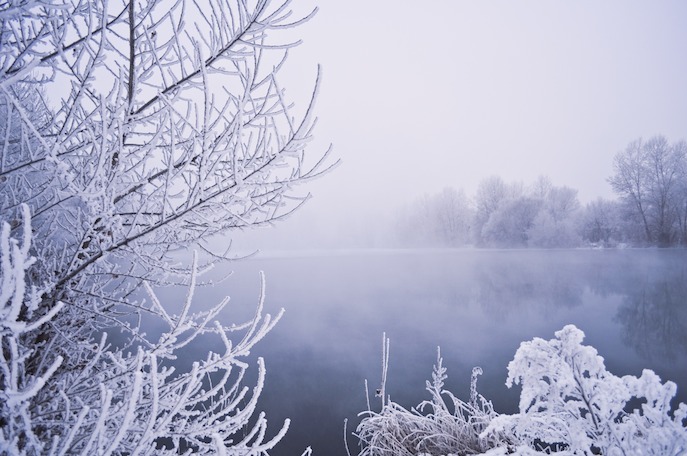
January
It arrives like a lad who ran miles,
sprawls on the snowy field,
put an eye on the days go by like
the wind-swept clouds.
Slipping near the end
of the stage, the fire within cools;
the heart of the frozen lake.
But the core of it still hangs on
to the warmth of the sun by day,
shivers by night, comprehensive.
©Byung A. Fallgren
 Byung A. Fallgren